


كيف ل التحقق من الصحة الليزر يعالج نتائج مع المجهر و قياس التضاريس
دقة قياس مع رقمي المجهر
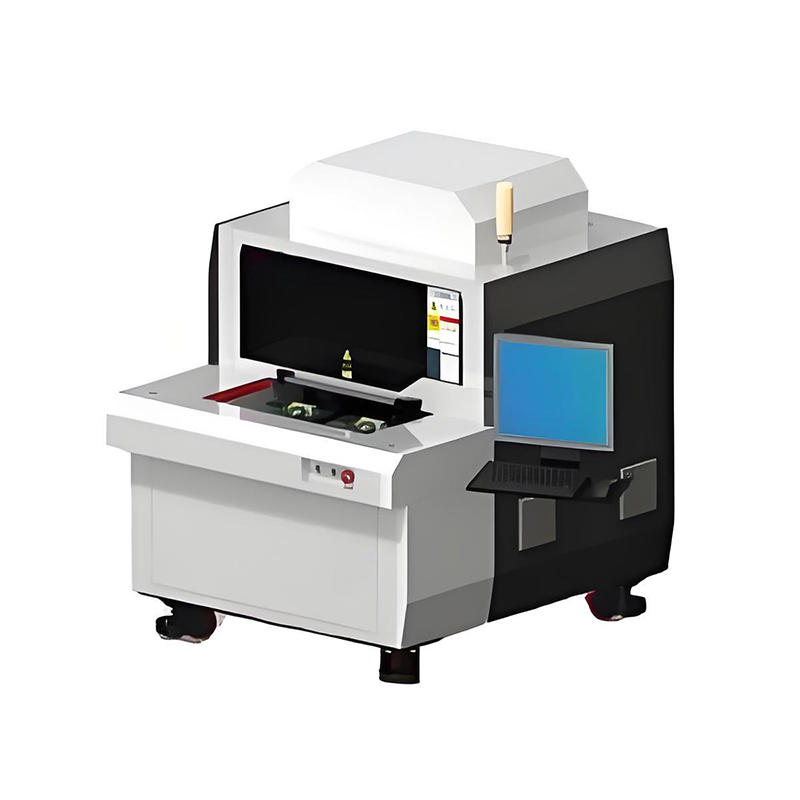
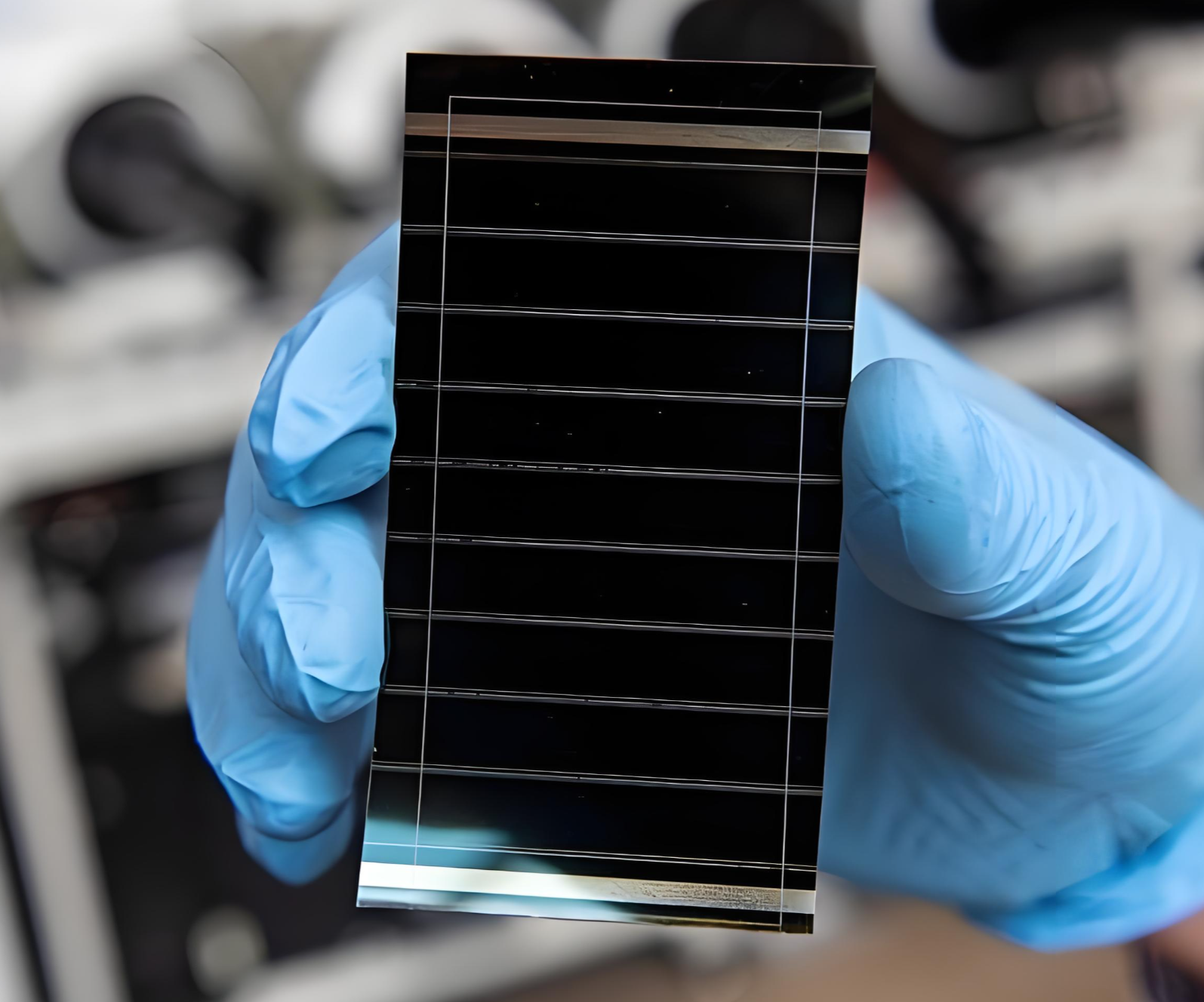
رقمي المجهر يوفر ال أولاً-خط تصديق ل ليزر يعالج جودة, تمكين مباشر التصور ل شديد الأهمية سمات هذه مثل كاتب خط عرض, حافة استقامة, و سطح علم التشكل. ليتشنغ's ليزر الأنظمة ينتج P1-P3 أنماط مع ≤30μm خط العرض, أيّ يتطلب عالي-دقة المجهر (أعلى ل 1000× التكبير) ل يؤكد الامتثال ل تصميم تحديد. ل مثال, في البيروفسكايت الطاقة الشمسية خلية تصنيع, المجهر كشف دقيق العيوب يحب ميكرو-الشقوق أو غير متساوٍ الاستئصال أعماق الذي - التي استطاع سبب كهربائي تسرب. متقدم برمجة أدوات يقيس الأبعاد دقة ضد التصميم بمساعدة الحاسوب (CAD) تصاميم, بينما آلي صورة تحليل الأعلام الانحرافات تجاوز ±5μm التفاوتات. هذا غير-مدمر طريقة يكون ضروري ل جودة يتحكم في عالي-مقدار إنتاج, أين سريع تقتيش دورات يحافظ على معدل نقل البيانات بدون التنازل دقة.
قياس التضاريس ل 3D التضاريس و عمق تحليل
بينما المجهر يقيم 2D صفات, قياس التضاريس عمليات الالتقاط 3D التضاريس ل تحديد الكمية ليزر الاستئصال عمق, سطح خشونة, و حافة تفتق الزوايا. ليتشنغ يستخدم أبيض-ضوء قياس التداخل و ليزر مسح أجهزة قياس التضاريس ل يقيس P1-P3 أخدود أعماق مع نانومتر-حجم دقة, تأكد أفضل كهربائي عزل في رفيع-فيلم الطاقة الشمسية الخلايا. ل مثال, قياس التضاريس يكشف عمق التناقضات في P2 الكتبة الذي - التي استطاع يعيق اتصال بين إجمالي تكلفة الملكية و قطب كهربائي طبقات. يعبر-مقطعي الملفات الشخصية أيضًا التحقق من الصحة ال فعالية ل ليتشنغ’s ركز-التالي تكنولوجيا بواسطة إظهار زي مُوحد عمق (±0.5μm) عير مشوه الركائز. هذا بيانات الارتباطات مع جهاز أداء—e.g., ميت منطقة عرض مباشرة التأثيرات وحدة نمطية كفاءة—تمكين عملية تحسينات الذي - التي يعزز أَثْمَر.
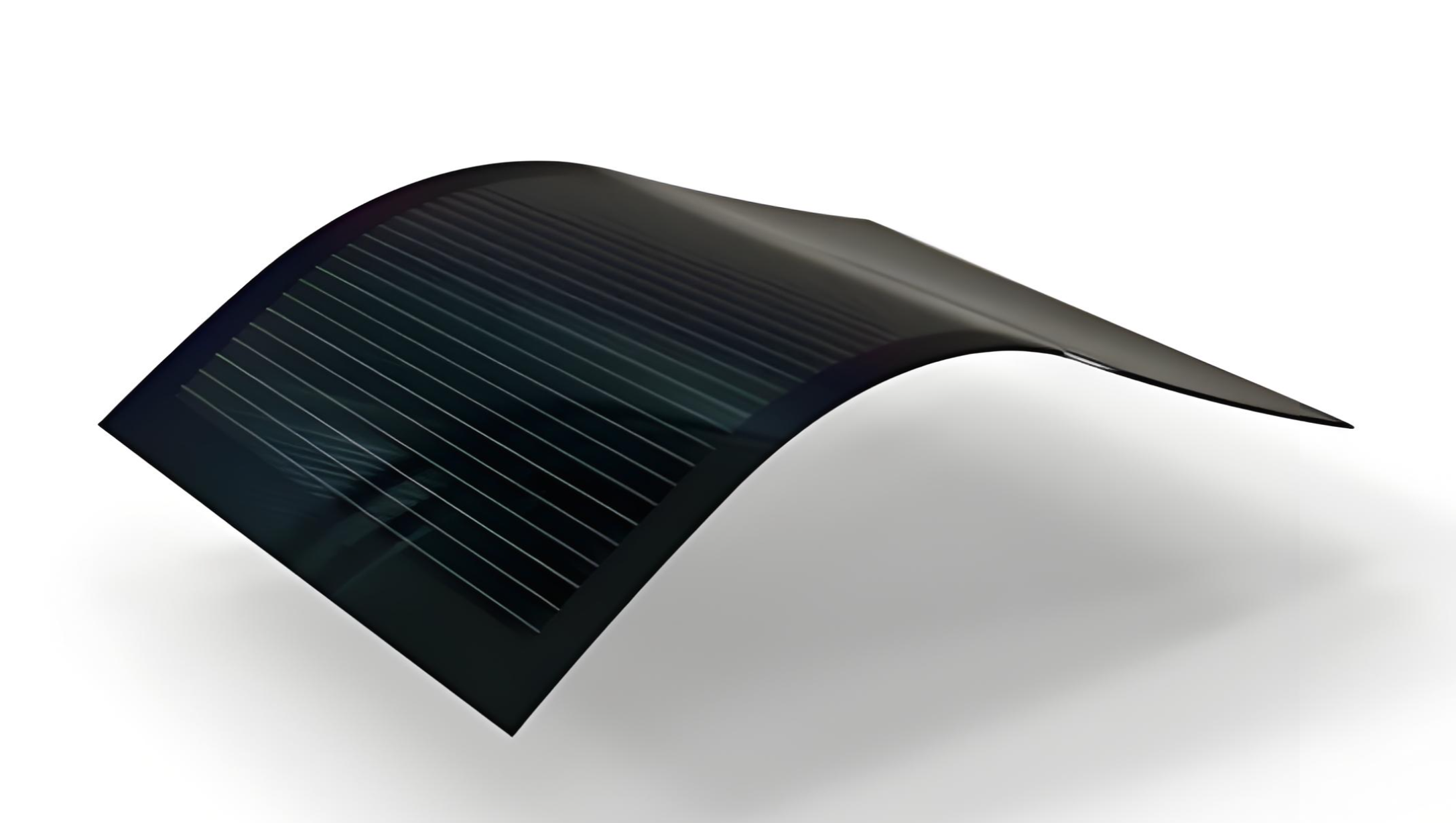
مدمج تصديق سير العمل ل عملية تحسين
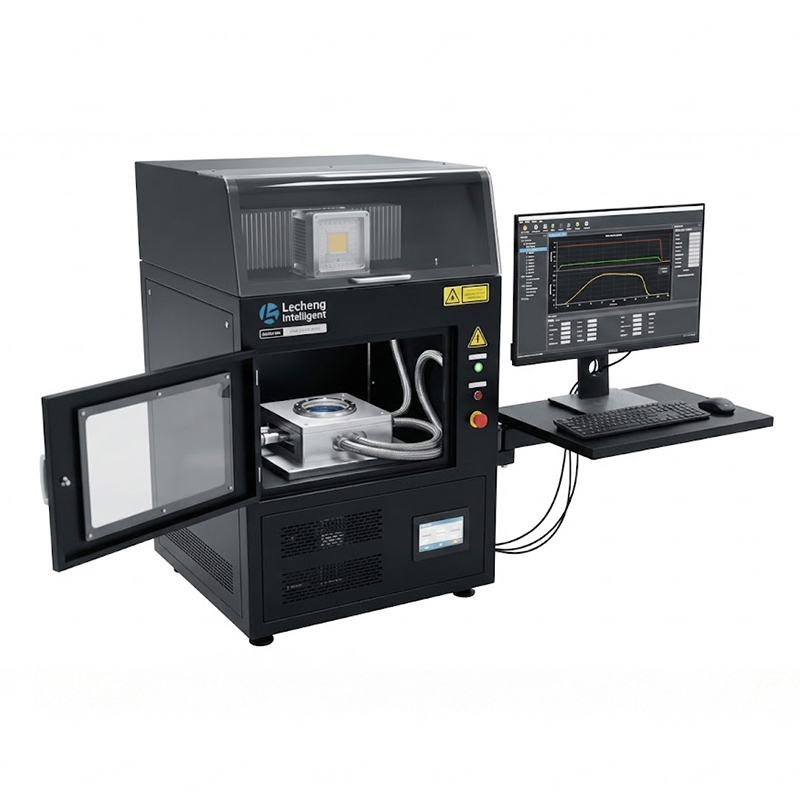
ليتشنغ يجمع المجهر و قياس التضاريس داخل a موحد تصديق سير العمل, أين بيانات من كلاهما التقنيات خلاصات داخل الذكاء الاصطناعي-مدفوع التحليلات ل يتنبأ ليزر المعلمة التعديلات. ل مثال, لو قياس التضاريس يكشف حراري ضرر تجاوز 10μm في زجاج الركائز, ال نظام تلقائياً يوصي تقليل نبض مدة أو التبديل ل بارد الاستئصال الأوضاع. بصورة مماثلة, المجهر صور ل P4 حافة عزل نكون تم تحليله ل بقايا تغطية, التفعيل ليزر قوة إعادة المعايرة لو نظافة السقوط أقل 98%. هذا مغلق-حلقة تصديق يكون مدمج مع ليتشنغ’s إنترنت الأشياء منصة, السماح حقيقي-وقت علاقة بين معدات حدود (e.g., الجلفانومتر سرعة) و جودة المقاييس. ال نتيجة يكون a الذات-تحسين إنتاج خط الذي - التي يحافظ ≤0.1% عيب الأسعار في دقة التطبيقات يحب طبي جهاز اللحام أو عرض لوحة القطع.
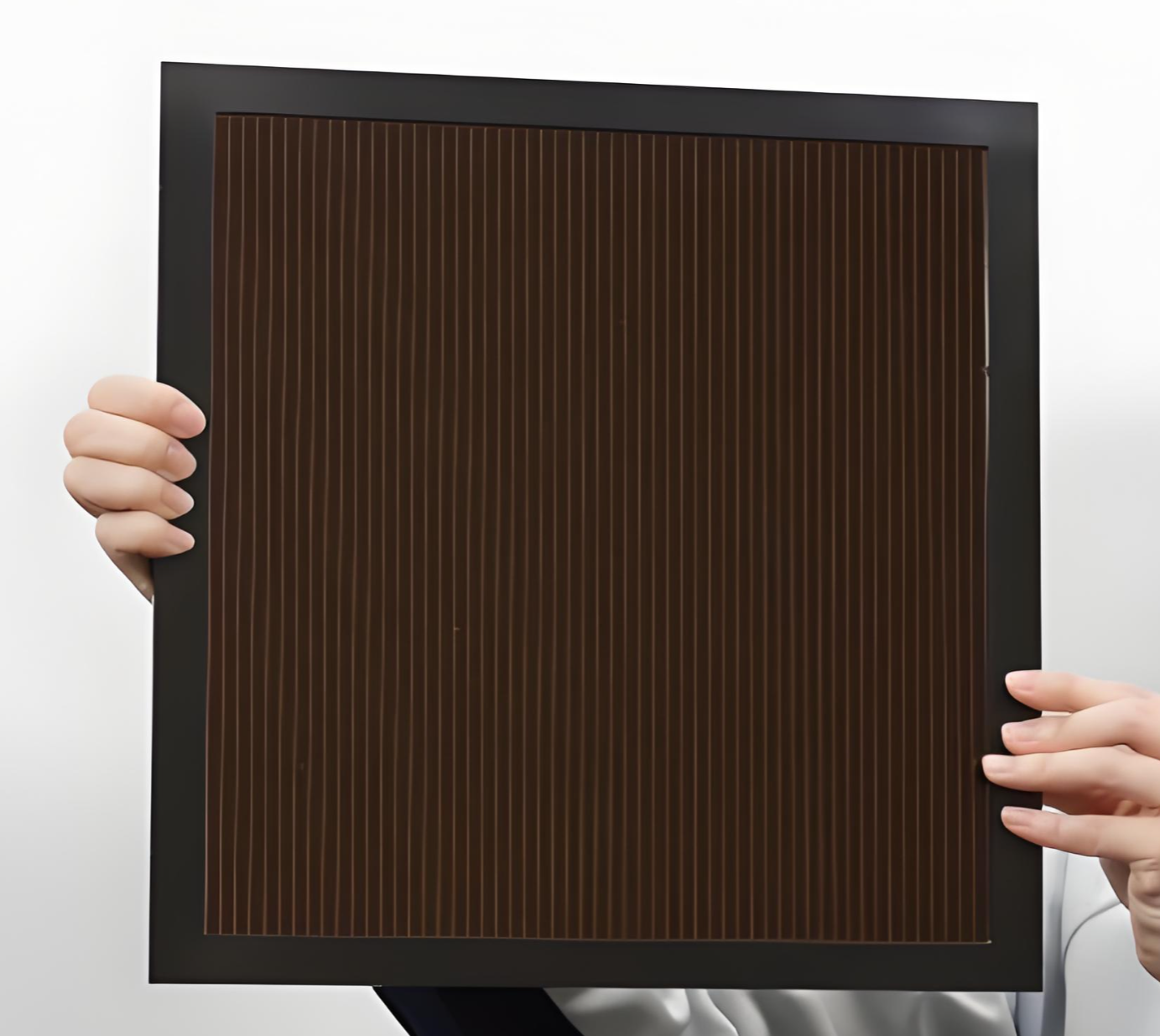
يحوّل الفحص المجهري وقياس التضاريس عمليات الفحص البصري غير الدقيقة إلى معايير جودة قابلة للقياس الكمي، مما يمكّن عملاء ليتشنغ من تحقيق دقة غير مسبوقة في معالجة الليزر. ومن خلال دمج هذه الأدوات مع التحليلات الذكية، تسدّ ليتشنغ الفجوة بين التصميم النظري والواقع العملي.